

2026-05-13
What Dentists Should Rule Out Before Treating Masseter Hypertrophy
Written by Dr. Agatha Bis
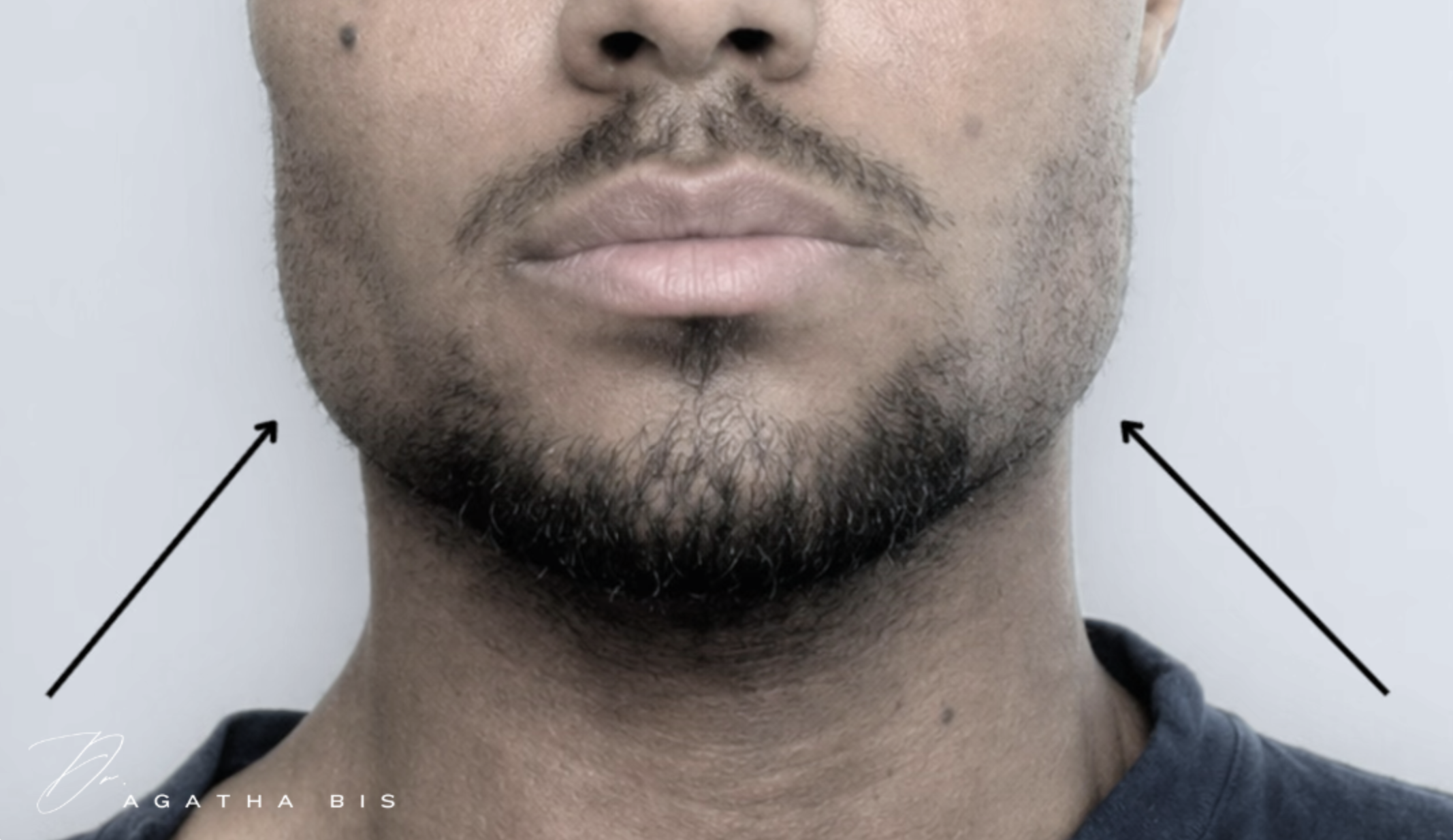
Masseter hypertrophy can look simple at first.
A patient presents with a broader lower face, visible bulk near the angle of the mandible, muscle tenderness, or a clear clenching pattern. It is easy to assume the issue is isolated and straightforward.
But before treatment begins, dentists should ask a more important question: what is the hypertrophy actually representing?
In many cases, enlarged masseters are not the primary problem. They may be an adaptation to a system under stress.
That is why masseter hypertrophy treatment dentists should never be approached as only a cosmetic or muscle-reduction decision. If the muscle is helping compensate for occlusal instability, joint dysfunction, or even airway-related demands, weakening it without proper evaluation may not solve the case. It may simply shift the problem elsewhere.
This is where diagnosis matters.
The first step is confirming that the enlargement is truly muscular. A careful differential diagnosis masseter hypertrophy matters because not all facial fullness in that area is benign hypertrophy. Parotid-related conditions, dental infection, and other causes of facial swelling must be considered before treatment is planned.
The second step is understanding function. If the patient has heavy clenching, fractured teeth, morning headaches, cervical tension, or signs of sleep-disordered breathing, the masseter may be responding to more than simple parafunction. The relationship between bruxism and masseter enlargement may be part of a larger compensatory pattern rather than a standalone diagnosis.
That is also why airway screening before Botox deserves serious attention. In some patients, clenching may be linked to airway compromise or other protective mechanisms. If that possibility is ignored, treatment may reduce muscle output without addressing what triggered the overload in the first place.
The structural side matters too. Before reducing force in a major elevator muscle, the dentist should assess joint stability, range of motion, tenderness, occlusal pattern, and signs of functional imbalance. In some patients, the masseter is doing more than generating strength. It may be helping the mandible function within an already compromised system.
There is also a long-term consideration. Repeated reduction of masseter activity may change the way load is distributed across the masticatory system over time. That means treatment decisions should not be made only from a short-term esthetic perspective.
So what should dentists rule out first?
Airway risk, TMJ instability, occlusal disharmony, compensatory bruxism, and non-muscular causes of facial enlargement should all be part of the evaluation. Most importantly, the clinician needs to decide whether the masseter is the cause of the problem or the record of the problem.
Those are not the same thing.
Good treatment begins when the question shifts from how do I reduce this muscle? to why did this muscle enlarge in the first place?
For more dentist-focused education on diagnosis before intervention, explore the clinical resources at TMJ Whisperer Academy.