

Study Club
Continuous learning:
a monthly lecture and case review
Monthly Virtual Sessions
for Dentists
What the Study Club is
A monthly, case-based clinical session for dentists who want to reduce guesswork in complex restorative, occlusal, and TMJ cases.
Inside the Study Club, you learn to:
Recognize instability before it becomes a redo
Connect joint, muscle, occlusion, and airway patterns
Decide when to observe, when to stabilize, and when to refer
Reduce bite surprises after restorative or ortho
Build predictable sequences for complex cases
Each session includes
Full-arch and comprehensive restorative cases
Real patient cases
Guided interpretation and decision pathways
Live Q&A
CE credits
Recording and handout access
Simple. Clinical. Immediately usable.

-
You can submit your cases for review, discussion, and clinical guidance. We collect the most relevant questions and patterns dentists are seeing so each session feels meaningful.
You receive your Zoom link, session topic, and any preparation material in advance.
Study Club sessions are almost always held on the first Friday of every month, with a scheduled pause in the summer. -
You attend a focused lecture that blends real cases, clear clinical logic, and interactive participation.
We work through the decision making behind TMJ diagnosis, stability, bite changes, airway clues, and treatment sequencing.
Members can ask questions, share observations, and learn directly from the cases submitted by the group. -
We continue the discussion with additional case reviews and clinical explanations to help you make sense of the patterns you saw.
You receive the session recording and a handout so you can revisit the material anytime and apply it in your practice the next day.
How the Study Club Works

-
Jaw clicking is usually a sign of early disc displacement or ligament strain. It is not random and often indicates functional instability. Inside the Study Club, you learn how to interpret joint sounds as diagnostic clues and understand what they mean for long term stability.
-
Bite changes often happen when the joint or muscles were unstable before treatment began. Even small procedures can reveal hidden dysfunction. In the Study Club, we teach how to evaluate stability first so restorative work and adjustments remain predictable.
-
Stability becomes clear when joints load evenly, muscles are not compensating, and symptoms follow a consistent pattern. We show you simple clinical tests that reveal stability and guide your sequencing.
-
Muscle pain is usually broad and pressure driven. Joint pain is more specific and often aggravated by loading. The Study Club teaches a clear diagnostic sequence that separates muscle overload from joint inflammation so your plan becomes straightforward.
-
The next step depends on bone support, perio, recession, missing teeth, tooth position, airway, and functional stability. We explore real cases to help you decide if the patient should move to ortho, restorative, or further stabilization.
-
Yes. Airway restriction influences posture and increases muscle strain, often leading to clenching, fatigue, headaches, or clicking. We show you how to identify airway related patterns inside a TMJ evaluation.
-
Unstable joints create unpredictable forces. Even excellent dentistry can fail if placed on an unstable foundation. Inside the Study Club, you learn how to strengthen the system first so your restorative and implant work lasts.
-
Most TMJ problems are functional. Imaging can look normal even when the patient is struggling. The Study Club teaches how to diagnose using patterns, load tests, muscle behavior, and stability findings instead of relying only on imaging.
-
Symptoms and bite findings can appear unrelated when muscles compensate for joint instability. We help you align history, findings, and stability so the case becomes logical and predictable.
The questions that show up before the failure does
Dentists see the same patterns every week: clicking, bite shifts, headaches, muscle tension, airway strain, restorations that “look fine” but do not last.
Study Club is where we slow the case down, identify what is driving the instability, and choose the next step with intent.
These are just a few of the questions we receive inside the Study Club. If you have more questions, or if any of these feel connected to a case you are working on, this is your space.
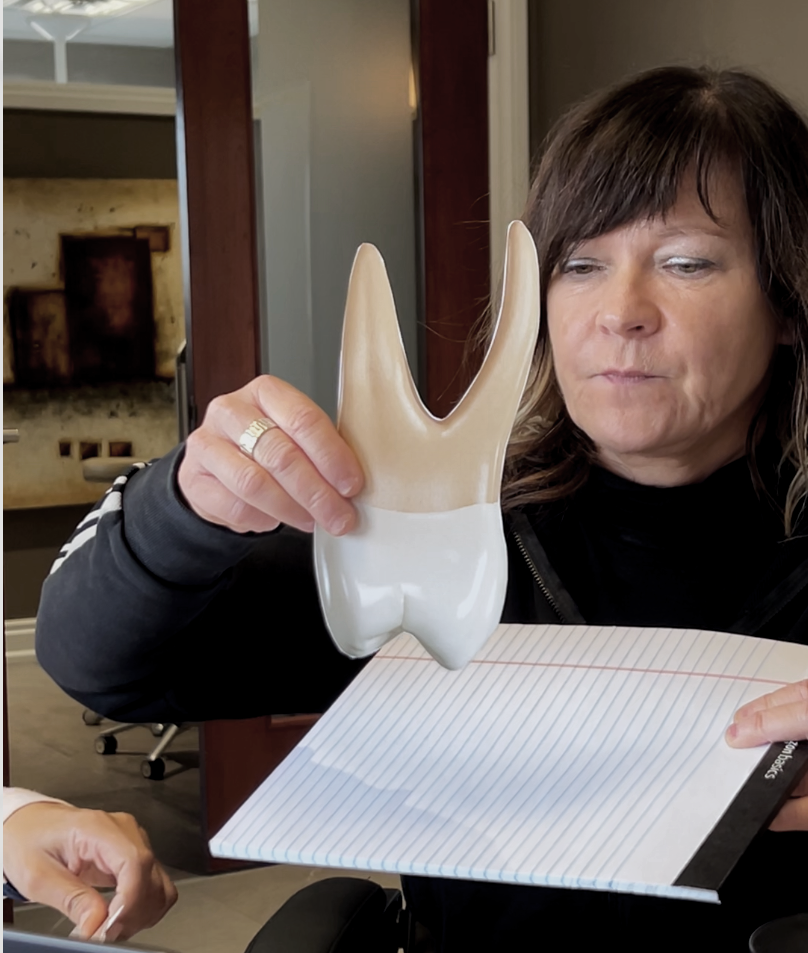
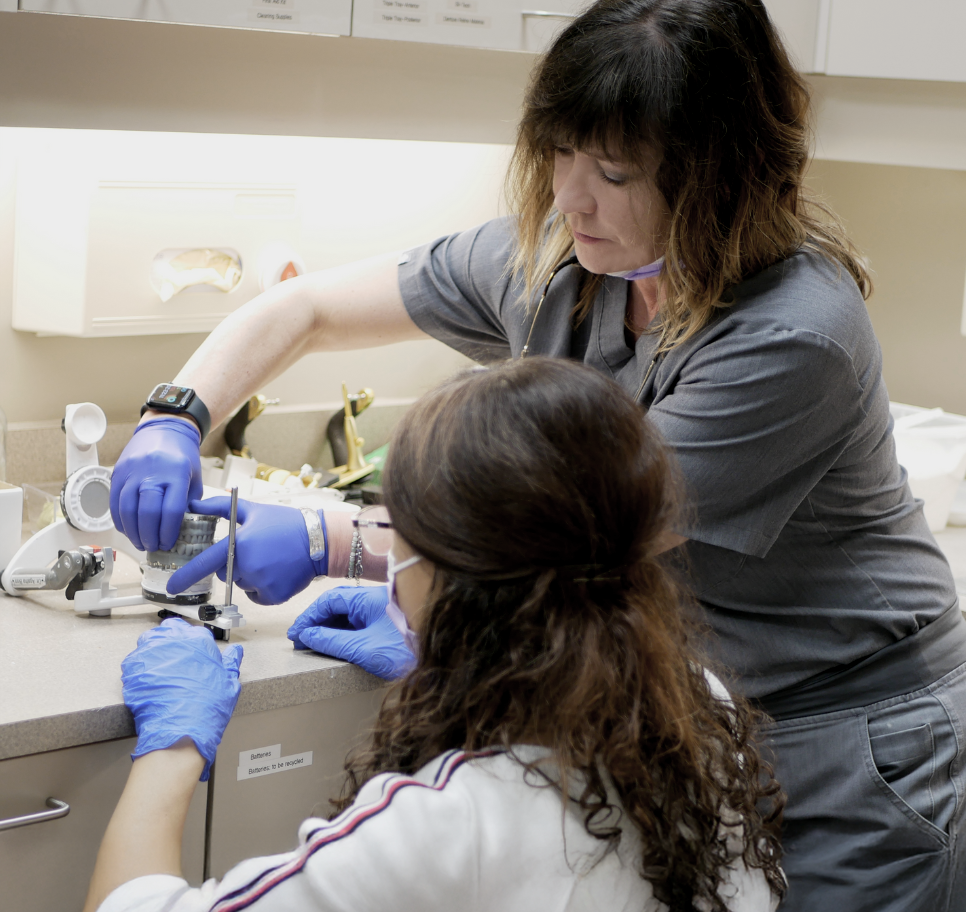

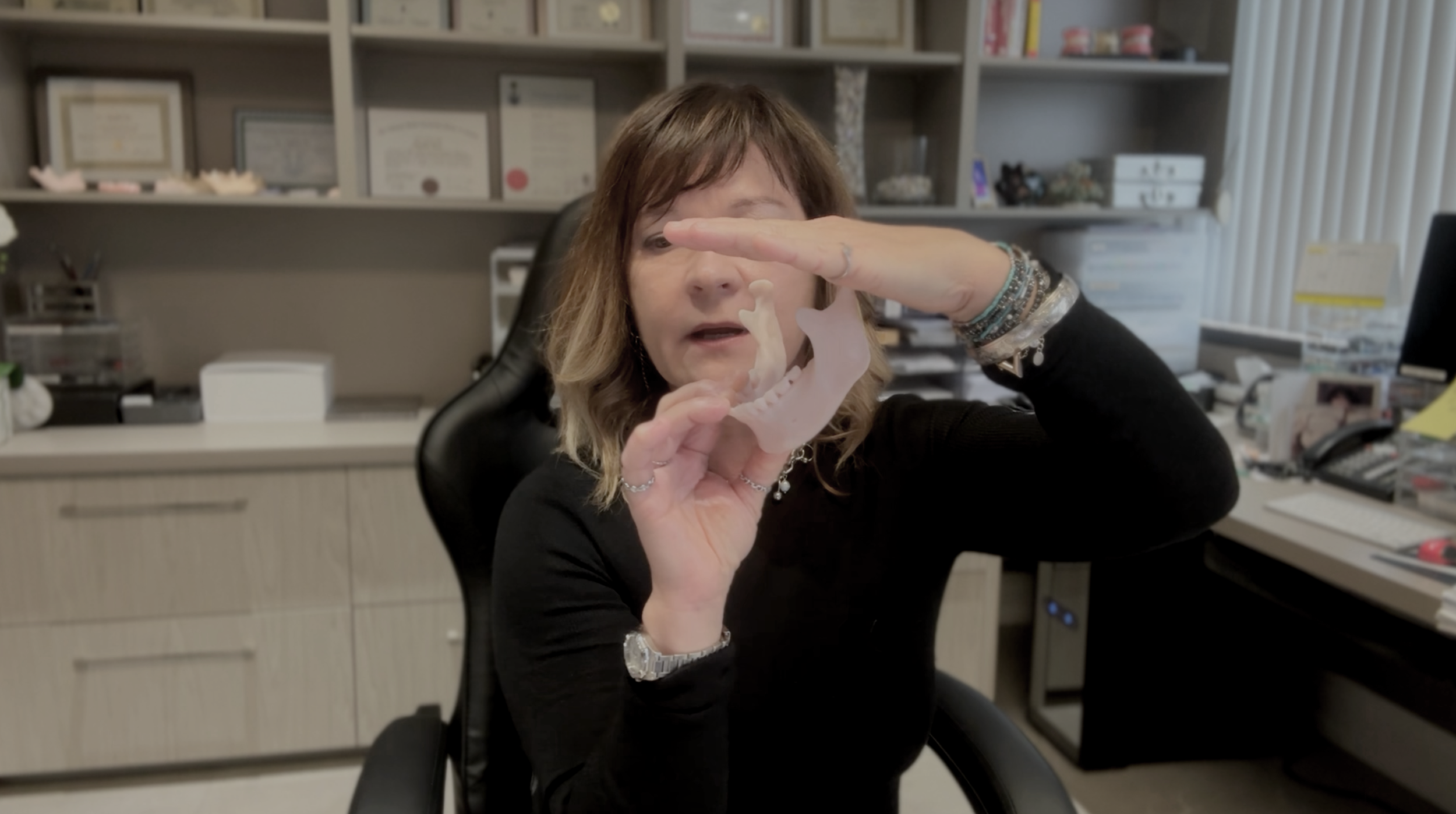
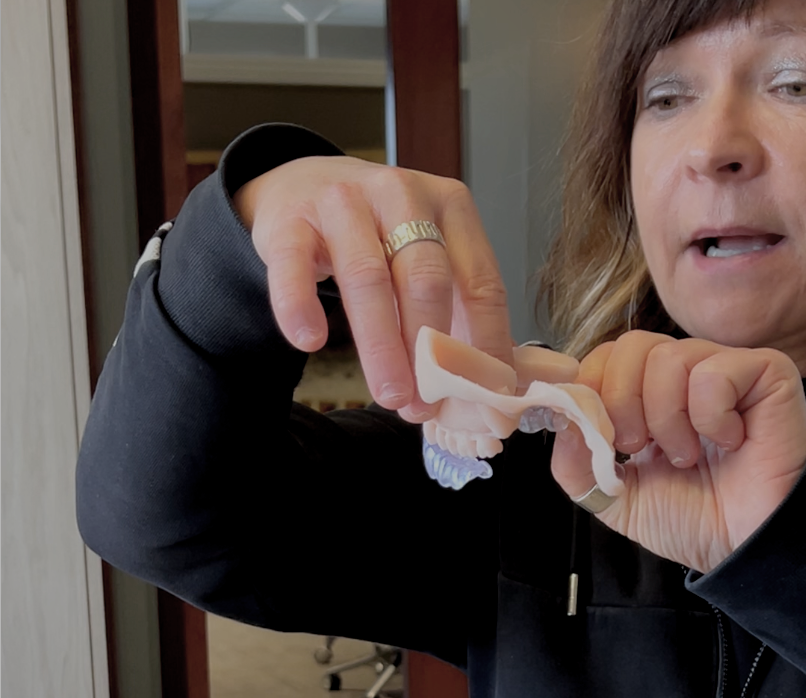


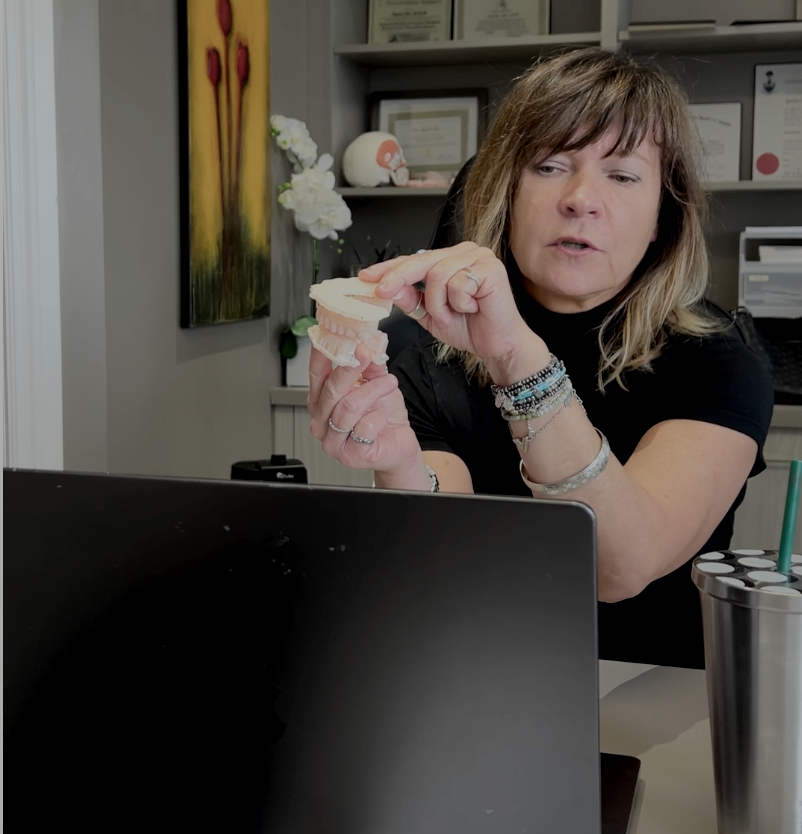
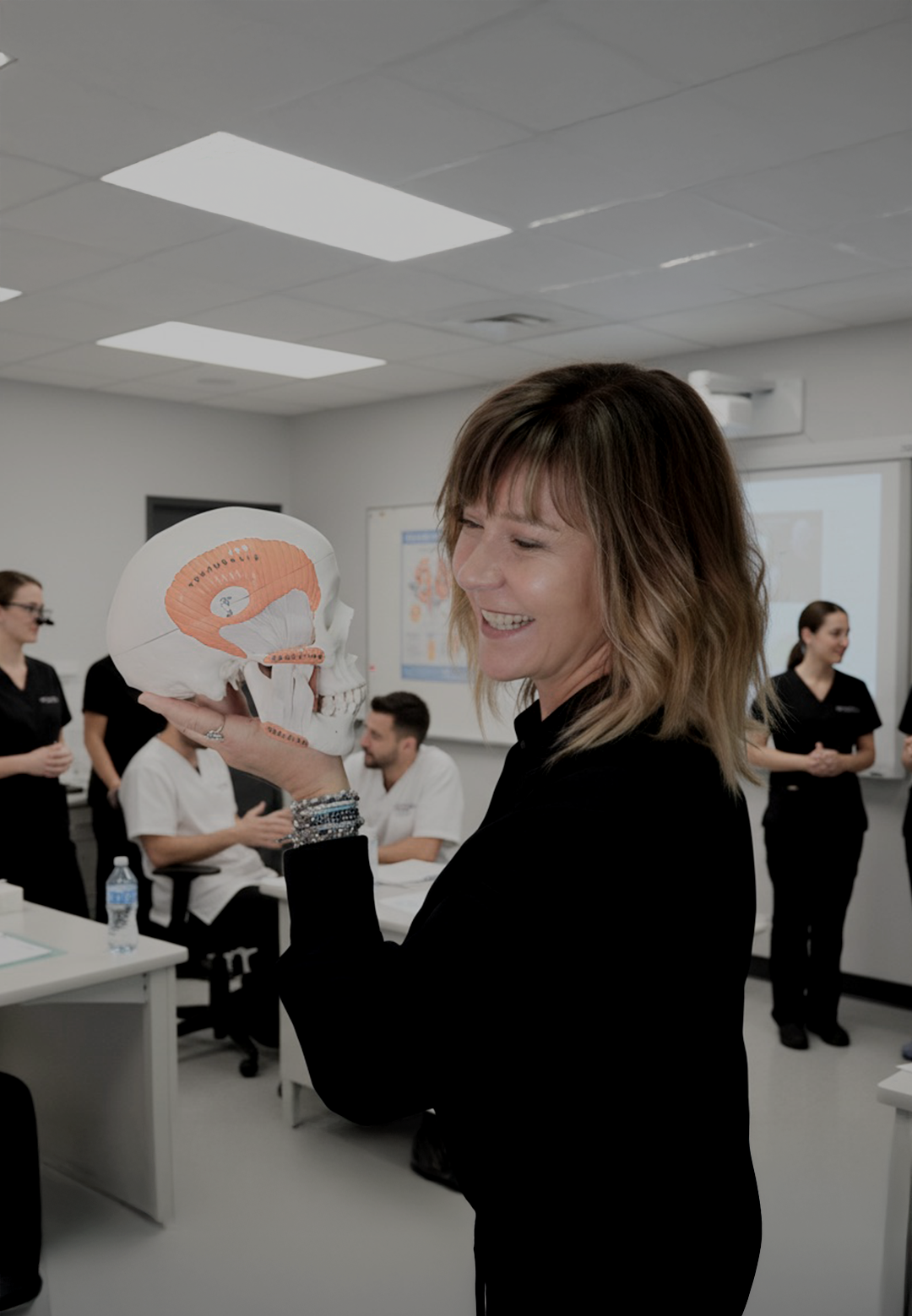
Join the Study Club from wherever you practice, and bring clarity and confidence to the cases in your chair.
A space to learn, ask, share, and grow.
A space where knowledge becomes confidence.