
The TMJ-Airway Link:
What Every Dentist Should Know About Sleep Appliances
May 27, 2026 | 1 CE Credit
CE dental courses - Courses for dentists - TMJ Course
The TMJ-Airway Link: What Every Dentist Should Know About Sleep Appliances
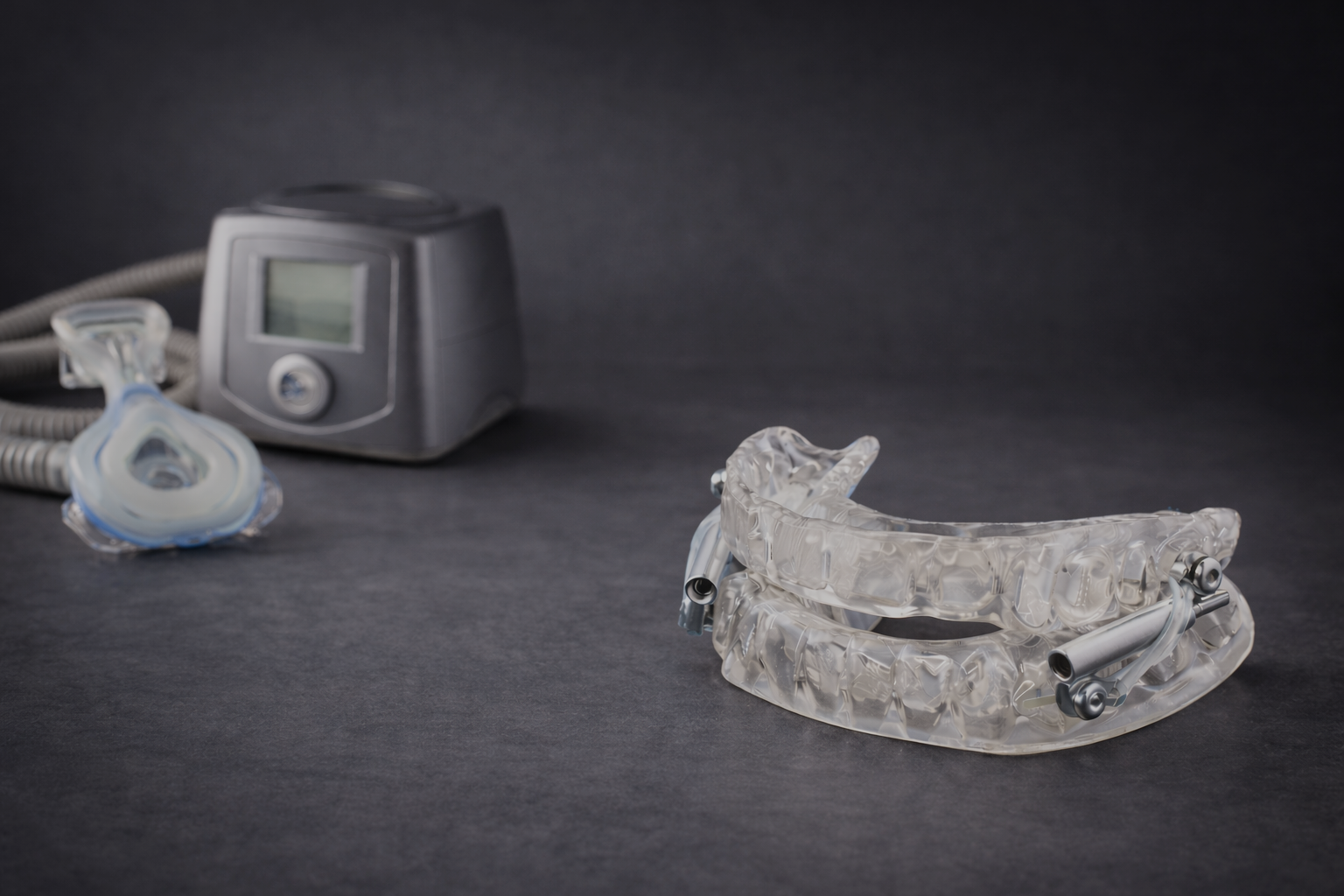
Sleep appliances are effective tools for managing snoring and sleep apnea. However, when TMJ instability is not identified before mandibular advancement, these appliances can create new clinical problems. Posterior open bites, shifting occlusion, AM aligner complications, joint discomfort, and unpredictable outcomes often develop because the joint was already unstable.
This webinar teaches dentists how TMJ health and airway function interact and why understanding this relationship is essential for screening, diagnosis, appliance selection, and long-term success. You will learn how mandibular advancement devices affect joint position and muscle patterns, how to recognize early signs of instability, and how to protect both the joint and the airway throughout treatment.
Real cases, clear frameworks, and step by step diagnostic protocols help clinicians determine when a sleep appliance will help and when it may worsen symptoms. The goal is simple: support airway improvement while maintaining joint stability.
Learning Objectives:
Identify early TMJ signs that influence sleep appliance outcomes.
Recognize the relationship between TMJ instability and airway function.
Understand why posterior open bites occur after mandibular advancement devices.
Perform proper screening for sleep disorders and joint dysfunction before sleep appliance therapy.
Manage bite changes and AM aligner complications linked to sleep appliances.
Plan treatment that protects the TMJ while supporting airway improvement.
Date: May 27, 2025
Time: 8:00PM EST
Format: Webinar
Cost: Free
CE Credit: 1
Presenter: Dr. Agatha Bis

Instructor Qualifications:
Dr. Agatha Bis has over 30 years of clinical experience with a special focus on TMJ & TMD management.
Known for her expertise in both, diagnosis and treatment, Dr. Bis is a leader in TMD education and dedicated to improving patient outcomes through advanced knowledge and skills.