
Occlusion Uncovered
T h e R e a l R e a s o n Y o u r R e s t o r a t i o n s
N e e d R e p e a t e d A d j u s t m e n t s
April 22, 2026 | 1 CE Credit
CE dental courses - Courses for dentists - TMJ Course
The Real Reason Your Restorations Need Repeated Adjustments - Occlusion Uncovered
Many restorative complications do not come from the restoration. They come from the system that the restoration is placed into.
Occlusion cannot be fully understood by looking at teeth alone. Joint stability, muscle behavior, and functional pathways dictate how bites settle, how contacts change, and why some restorations need repeated adjustments even when the dentistry is accurate.
This webinar teaches dentists how to see occlusion through the lens of TMJ health so they can diagnose the true cause of shifting bites, premature contacts, repeated high spots, and restorative failure. Participants will learn how joint instability influences occlusion, how muscle patterns alter functional loading, and how to evaluate occlusal findings with clarity and confidence.
Real clinical examples illustrate why some bites never feel stable, why adjustments do not hold, and how to identify the key diagnostic findings that predict the long-term success of restorative and orthodontic cases.
Learning Objectives:
Identify TMJ findings that directly influence occlusion.
Recognize bite changes caused by joint instability rather than tooth movement.
Evaluate muscle and joint function to guide occlusal diagnosis.
Apply a structured assessment to improve restorative and orthodontic planning.
Understand why repeated bite adjustments often fail when TMJ issues are present.
Improve treatment outcomes by integrating TMJ findings into occlusal evaluation
Date: April 22, 2025
Time: 8:00PM EST
Format: Webinar
Cost: Free
CE Credit: 1
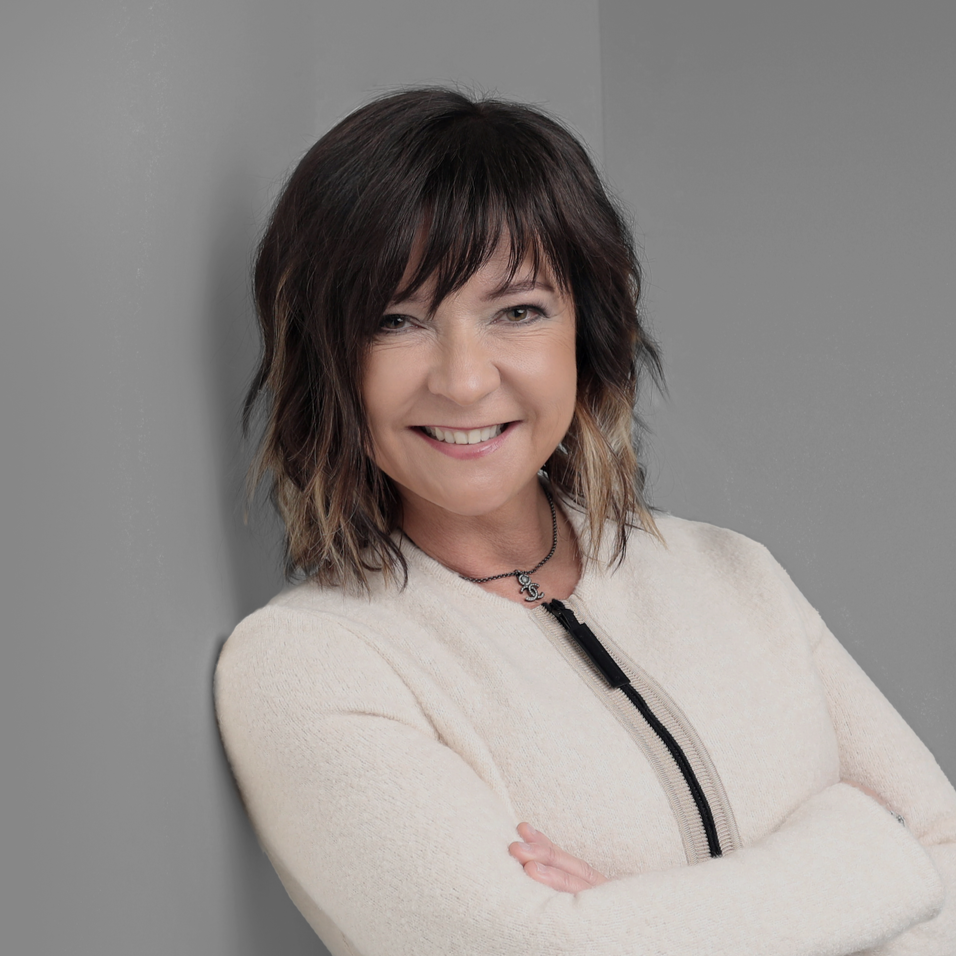
Presenter: Dr. Agatha Bis
Instructor Qualifications:
Dr. Agatha Bis has over 30 years of clinical experience with a special focus on TMJ & TMD management.
Known for her expertise in both, diagnosis and treatment, Dr. Bis is a leader in TMD education and dedicated to improving patient outcomes through advanced knowledge and skills.