
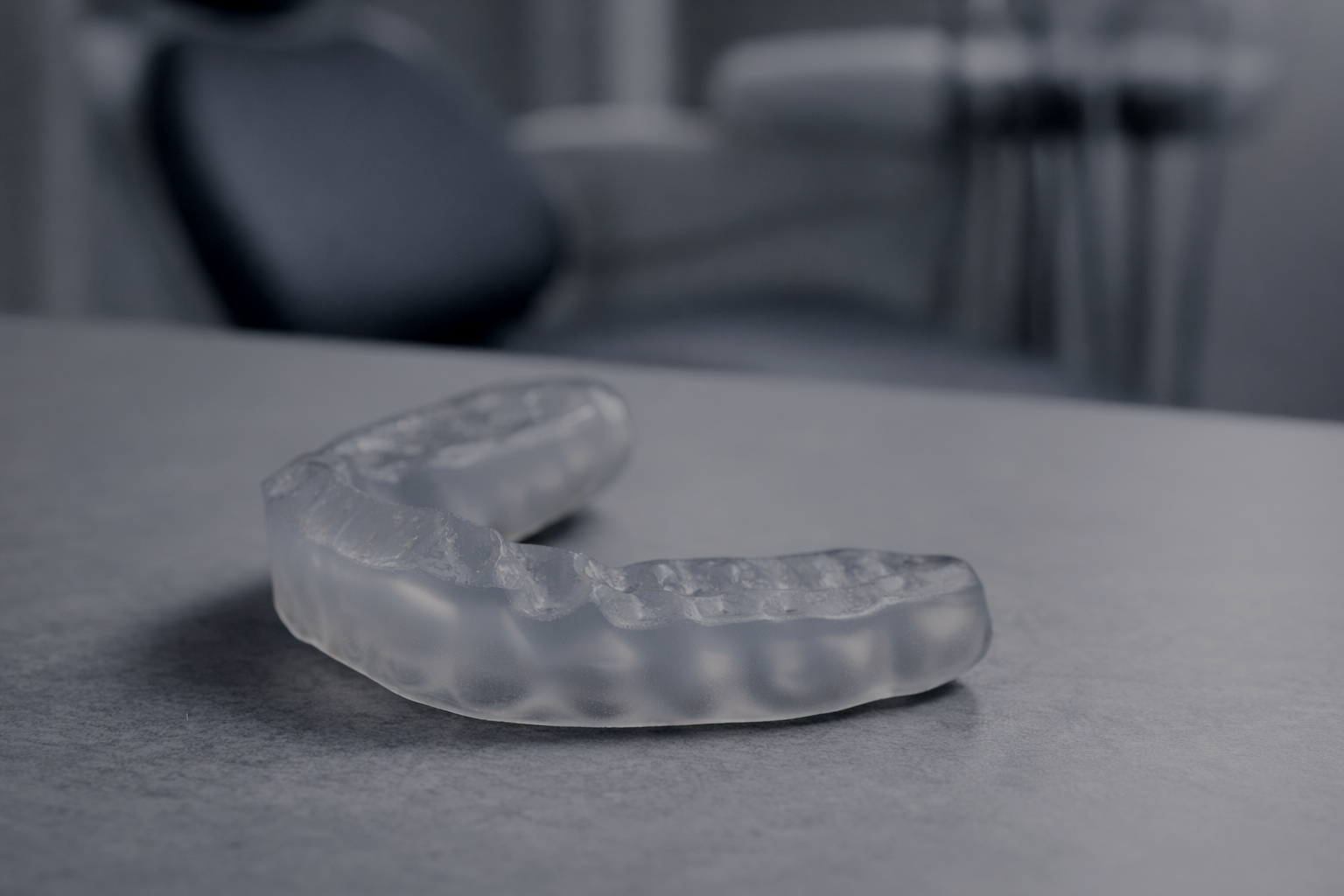
The Nightguard Mistake
M o s t D e n t i s t s D o n ’ t K n o w T h e y ’ r e M a k i n g
October 21, 2026 | 1 CE Credit
CE dental courses - Courses for dentists - TMJ Course
The Nightguard Mistake Most Dentists Don’t Know They’re Making
Nightguards and splints do not behave the same way in every patient. Many appliance complications begin long before the device is even fabricated. The real problem is not the guard. It is the system the guard enters.
When bruxism, clenching, or joint instability are not correctly identified, a nightguard can increase muscle activity, worsen joint strain, shift the bite, or accelerate instability. This webinar teaches dentists how to evaluate functional patterns with clarity, how to choose the right appliance, and how to design orthotics that support the joint rather than overload it.
You will learn how different appliances influence muscle behavior, occlusal loading, and joint stability. Real clinical cases show why some guards succeed, why others fail, and how the right diagnostic steps make outcomes predictable and stable.
Learning Objectives
Differentiate bruxism from clenching through clinical assessment and patient history.
Identify the type of appliance that best fits each functional pattern, including bruxing, clenching, or TMD instability.
Understand the principles of nightguard design and how different designs affect muscles, joints, and occlusion.
Recognize signs of appliance-related complications and determine when an appliance was selected without the correct diagnosis.
Apply a structured TMJ and occlusal evaluation before recommending any appliance.
Adjust or redesign appliances to support TMJ stability and reduce functional strain.
Date: October 21, 2025
Time: 8:00PM EST
Format: Webinar
Cost: Free
CE Credit: 1
Presenter: Dr. Agatha Bis

Instructor Qualifications:
Dr. Agatha Bis has over 30 years of clinical experience with a special focus on TMJ & TMD management.
Known for her expertise in both, diagnosis and treatment, Dr. Bis is a leader in TMD education and dedicated to improving patient outcomes through advanced knowledge and skills.